
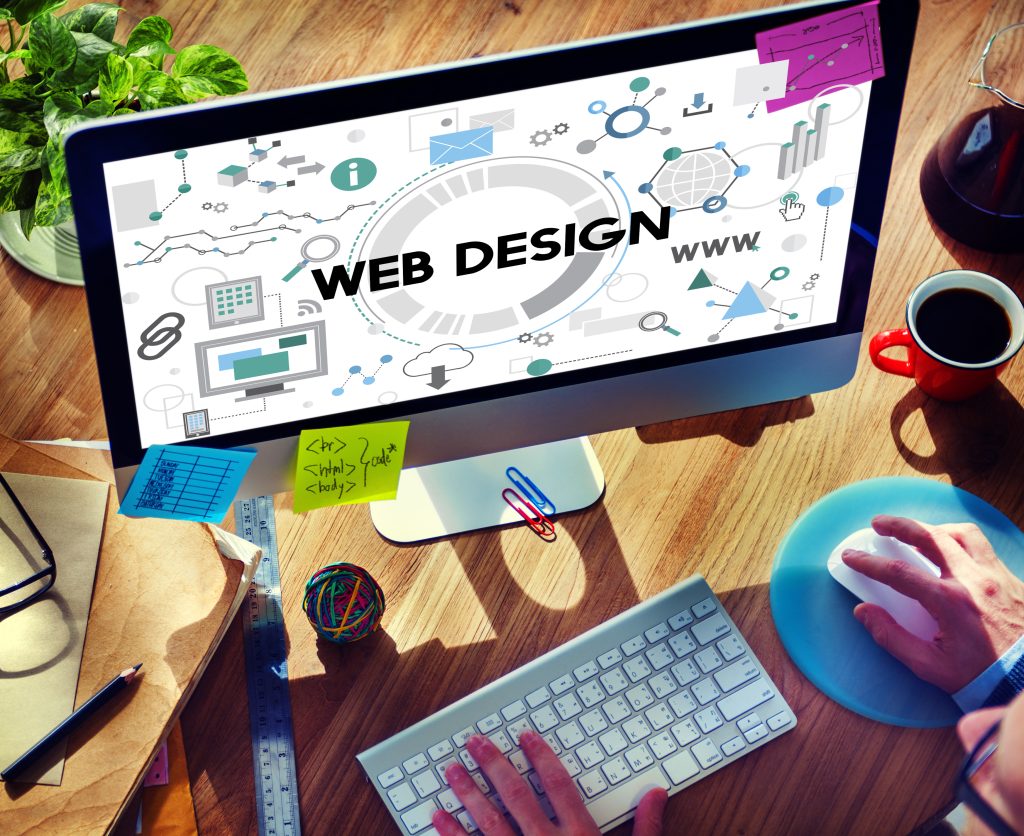
In the scorching economic climate of the UAE, where innovation moves faster than a desert sandstorm, your physical office address is becoming secondary to your URL. We are officially in 2026, and the “Digital Dubai” vision has transformed the marketplace into a hyper-connected ecosystem. If you are managing a brand like Jawahir.net, you already know that a website isn’t just a place to host your logo it’s your 24/7 sales representative, brand ambassador, and lead generator.
But why is the specific nuance of website design in Dubai so critical right now? Let’s pull back the curtain on the technical and psychological shifts that are defining business success this year.
The “First Impression” Economy
In a city known for architectural marvels like the Museum of the Future, users have developed a high “aesthetic IQ.” If a potential client in Downtown or Marina lands on a site that looks like it was designed in 2018, they don’t just judge your tech they judge your credibility.
Website design in Dubai is no longer just about looking “pretty.” It’s about Trust Signals. * The 0.05 Second Rule: Research consistently shows that it takes about 0.05 seconds for users to form an opinion about your website that determines whether they’ll stay or leave.
- Cultural Resonance: In Dubai’s multicultural landscape, your design must speak to both the local Emirati population and the massive expat community. This means mastering Right-to-Left (RTL) Arabic typography alongside sleek Western minimalist layouts.
The Rise of “Immersive” Commerce
By 2026, static images are “old school.” The latest trends in website design in Dubai incorporate WebGL and 3D elements that allow users to interact with products.
Imagine a jewelry site or a real estate portal where the user can rotate a 3D model of a ring or walk through a virtual apartment directly in the browser. This isn’t science fiction; it’s the standard for high-conversion sites. For a project like Jawahir.net, incorporating these “micro-interactions” keeps users on the page longer, which significantly boosts your SEO rankings.
Core Web Vitals: The Invisible Design
When we talk about website design in Dubai, many people forget about what’s under the hood. In 2026, Google’s algorithms are more “human” than ever. They prioritize User Experience (UX) metrics known as Core Web Vitals.
- LCP (Largest Contentful Paint): How fast does your main content load?
- INP (Interaction to Next Paint): How “snappy” does the site feel when you click a button?
- CLS (Cumulative Layout Shift): Does the content jump around while loading? (A major “no-no” for professional sites).
A professional designer doesn’t just draw a mockup; they write clean code that ensures these metrics stay in the “green zone.”
Mobile-First is Now “Mobile-Only”
Let’s look at the data: Over 90% of internet users in the UAE access the web via smartphones. If your website design in Dubai project isn’t optimized for a foldable screen, a tablet, and a standard smartphone simultaneously, you are essentially closing your doors to 9 out of 10 customers.
Responsive Design 2.0 in 2026 involves “Thumb-Driven Navigation.” Since screens are getting larger, professional designers place critical navigation elements (like the “Contact Us” or “Cart” buttons) within the natural reach of a user’s thumb at the bottom of the screen.
AI-Integrated Personalization
Modern website design in Dubai now leverages AI to change what a user sees based on their behavior.
- If a visitor from London lands on your site, they might see prices in GBP and content focused on international shipping.
- If a local user in Dubai lands on the site, they see prices in AED and information about “Same Day Delivery.”
This level of personalization reduces friction and makes the user feel like the website was built specifically for them.
Expert Perspective: The “Dubai Minimalist” Style
There is a specific design aesthetic trending in the UAE right now. It’s characterized by:
- Generous White Space: Giving content room to “breathe.”
- High-Contrast Typography: Using bold, custom fonts that look premium.
- Localized Visuals: Using high-quality photography that reflects the Dubai lifestyle without looking like “stock photos.”
Relevant Q&A: Navigating the Design Landscape
Q: How often should I update my website design in Dubai?
A: In the tech-heavy Dubai market, a “refresh” (tweaking UX and visuals) should happen every 18–24 months. A “full rebuild” is usually necessary every 3–4 years to keep up with the latest security protocols and SEO requirements.
Q: Does design really affect my SEO on Jawahir.net?
A: Absolutely. Google measures “Dwell Time” (how long someone stays on your site) and “Bounce Rate.” If your design is confusing or slow, people leave immediately. Google sees this as a signal that your site isn’t useful and will drop your rankings.
Q: Is “Dark Mode” still relevant for website design in Dubai?
A: More than ever. Dark mode reduces eye strain and saves battery life on OLED screens. Offering a toggle between Light and Dark mode is a standard “pro” feature in 2026.
Q: Should I use a template or go for custom website design?
A: Templates are okay for a hobby blog. But for a business in Dubai, a custom design is essential. Templates often come with “bloated” code that slows down your site and makes it impossible to stand out from competitors.
Security as a Design Feature
In an era of increased cyber awareness, “Safety” is now a visual design element.
- Trust Badges: Visible SSL certificates and secure payment icons.
- Transparent Data Policies: Easy-to-find privacy settings that don’t feel “hidden.”
- Biometric Integration: Professional designs now often incorporate “Passkey” or “FaceID” logins for e-commerce, making the shopping experience both safer and faster.
The ROI of Professional Design
Think of your website design in Dubai as an investment, not an expense.
- Higher Conversion Rates: A well-designed checkout flow can reduce “cart abandonment” by up to 35%.
- Lower Ad Costs: When your site is well-designed, your “Quality Score” on Google Ads improves, meaning you pay less per click than your competitors with bad websites.
- Brand Equity: A premium site allows you to charge premium prices. It positions you as a leader rather than a follower.
Summary Checklist: Is Your Site Ready for 2026?
Before you start your next website design in Dubai project, ensure you check these boxes:
- Speed: Does it load in under 2 seconds on a 4G connection?
- Multilingual: Is the Arabic RTL layout as perfect as the English one?
- Accessibility: Can people with visual impairments navigate your site? (This is now a legal requirement in many jurisdictions).
- SEO Ready: Is the architecture built to help sites like Jawahir.net rank on page one?
- Video Integration: Does the site use “background video” or “hero video” to tell your story quickly?
Final Thoughts
Dubai is a city that never settles for “average.” Your business shouldn’t either. As we move through 2026, the gap between businesses with professional website design in Dubai and those with “DIY” sites will only widen.
Investing in a high-quality digital presence is the most effective way to ensure your brand remains relevant, searchable, and profitable in the UAE’s competitive landscape. Whether you are selling services, luxury goods, or information, your website is the bridge between your vision and your customer’s reality.
Build it strong, build it beautiful, and build it for the future.